


Winter Care for Clay Pots: Protecting Terracotta from Frost
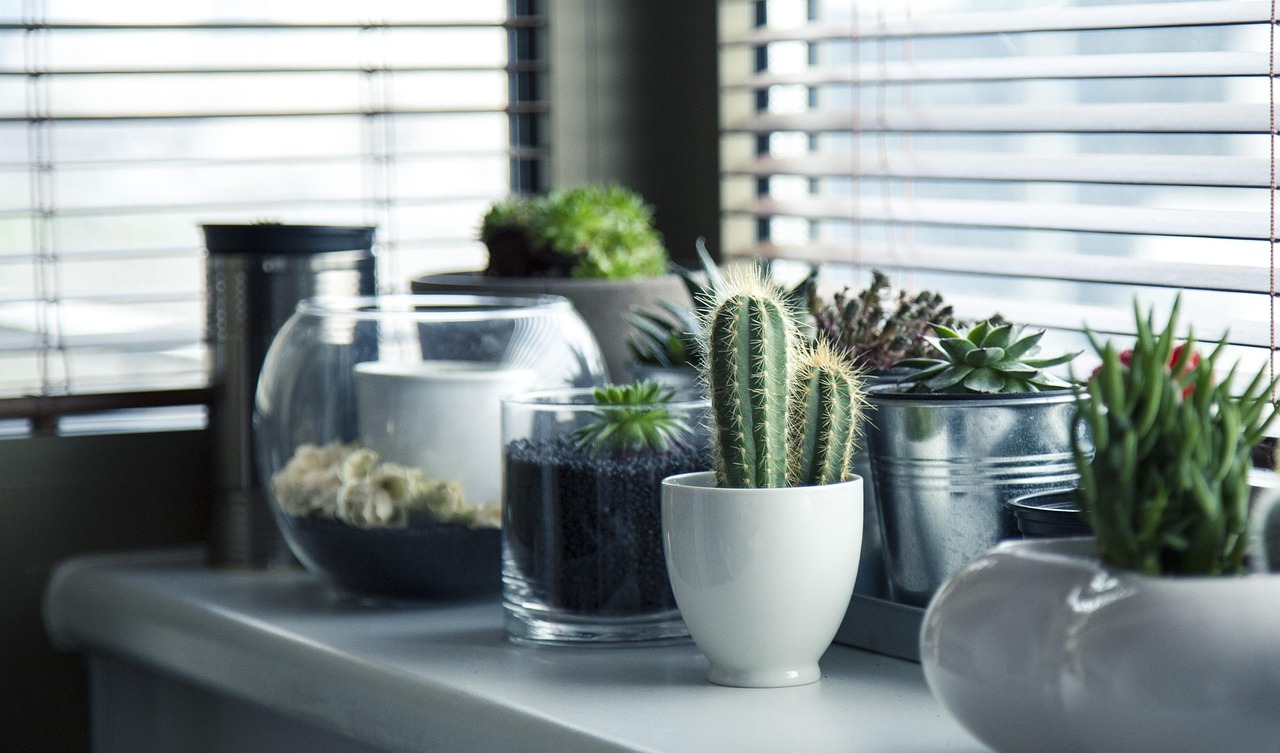
Terracotta pots are wonderful in summer. They breathe, they age beautifully, and they give a garden a warm, handmade feel. In winter, though, they can become a liability. Unglazed clay is porous, which means it absorbs water. When that water freezes, it expands, and the pressure can crack or shatter even thick-walled pots. Glazed pots are more resistant, but they are not immune, especially if water collects in the base or the glaze has fine crazing.
The simplest protection is to empty your pots before the first hard frost. Remove the plants, shake out the soil into a wheelbarrow or compost heap, and store the pots somewhere dry and sheltered. A shed, garage, or basement works well. If you do not have indoor space, stack pots on their sides under a tarp or lean them against a wall so water cannot pool inside. Elevating them off bare ground also helps, since damp soil wicks moisture into the clay.
If You Cannot Move Your Pots
Large planters are often too heavy to move, and some gardeners prefer to leave them in place as winter features. In that case, raise them onto pot feet or bricks so they do not sit directly on wet ground. Block the drainage hole with a piece of mesh or a shard, but make sure water can still escape. Empty the pot of soil if possible, or at least remove the plant and top off with a free-draining mix. Cover the top with a piece of slate or a plastic lid to keep rain out, but leave the sides open so air can circulate.
Wrap unglazed pots in bubble wrap, burlap, or horticultural fleece for extra insulation. Do not wrap too tightly, because trapped moisture is the real enemy. A loose wrap that sheds rain but allows airflow is better than a sealed layer that holds condensation against the clay. Check pots after storms and tip out any water that has collected in saucers or rims.
Small Pots, Big Risks
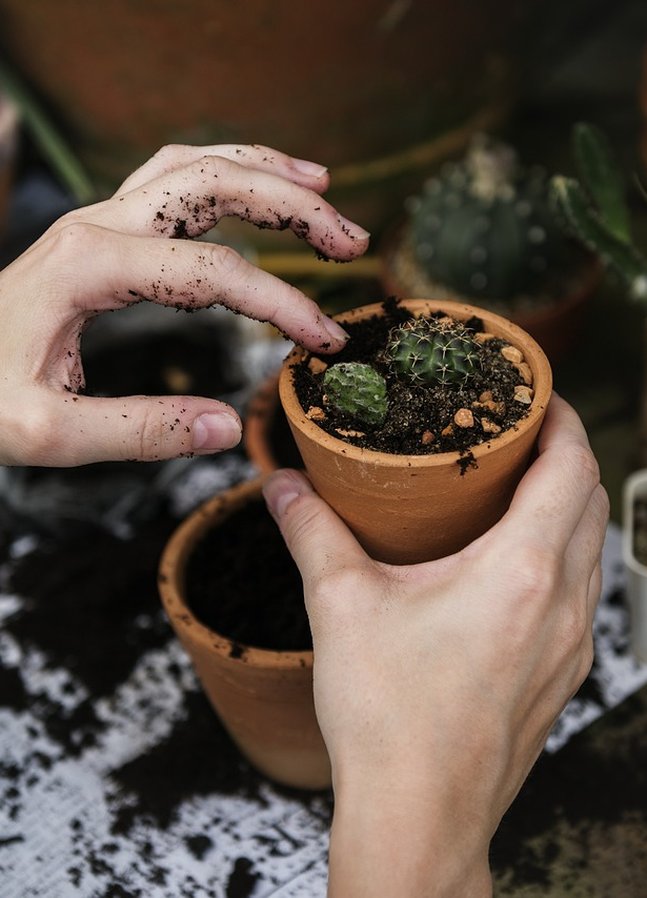
Small terracotta pots are the most vulnerable because they have thin walls and dry out quickly in summer but freeze fast in winter. Bring them inside if you can. If you use them for succulents or herbs that stay outdoors year-round, consider switching to frost-resistant stoneware or glazed pots for the coldest months. Stoneware is fired at higher temperatures and is denser, so it absorbs less water. It is not indestructible, but it handles frost far better than standard terracotta.
Repairing a cracked pot is possible with waterproof adhesive, but a cracked pot is never as strong as it was, and it will likely crack again. If the pot has sentimental value, use it as a cachepot indoors or as a decorative element in a sheltered spot. For everything else, accept that clay is a material that lives and ages. A pot that survives ten winters has earned its place in your garden, and a pot that does not has taught you something about where to put the next one.

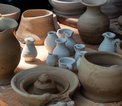


Terracotta is beautiful and breathable, but it cracks in freezing weather if you do not take a few simple precautions before winter arrives.
There is a quiet rhythm to raising seedlings in handmade clay pots, and it starts long before the first sprout appears.
If you have never touched clay before, a pinch pot herb planter is the gentlest possible introduction to the craft.
Your garden already has a color story, and your pottery can either echo it or push against it in interesting ways.
Moving a plant into a handmade pot is an act of trust, and a little preparation goes a long way.