
The Slow Craft of Seed Starting in Clay Pots
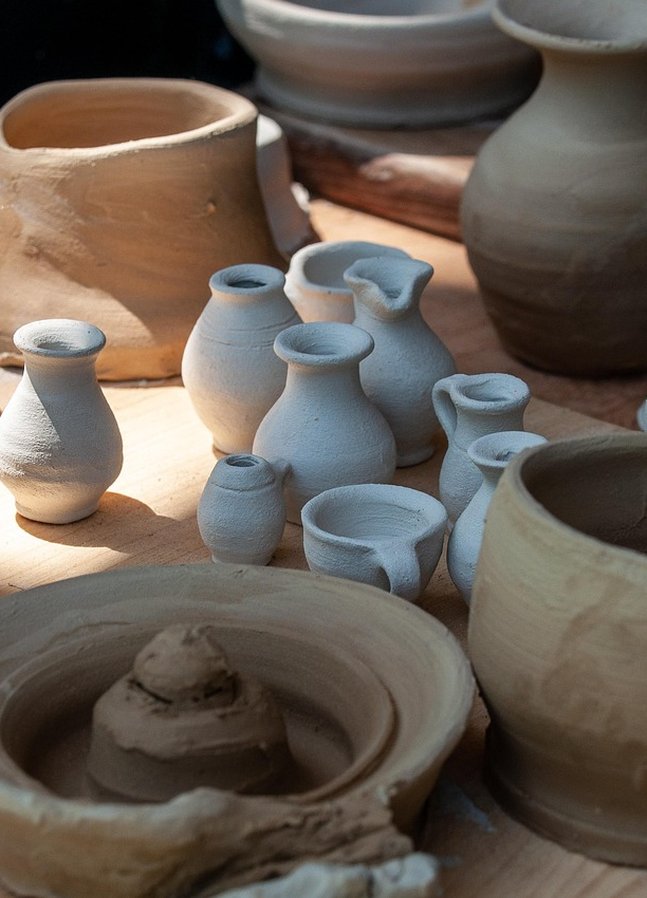
Every spring, I go through the same small ritual. I haul my stack of handmade clay pots out of the shed, give them a rinse, and line them up along the bench like soldiers waiting for orders. Some are slightly crooked. One has a thumbprint near the rim that I never bothered to smooth. I made most of them during a phase when I was obsessed with throwing wide, shallow forms, and they turned out to be perfect for seed starting.
There is something about raising seedlings in pots you made yourself that changes the way you garden. You are not just tending plants anymore. You are tending the relationship between earth, water, fire, and root. A terracotta or stoneware pot breathes. It wicks moisture. It warms up in the sun and holds that warmth into the evening, which young roots seem to appreciate. Plastic trays work fine, but they feel like a transaction. Clay feels like a conversation.
Why Clay Changes the Way Seeds Grow
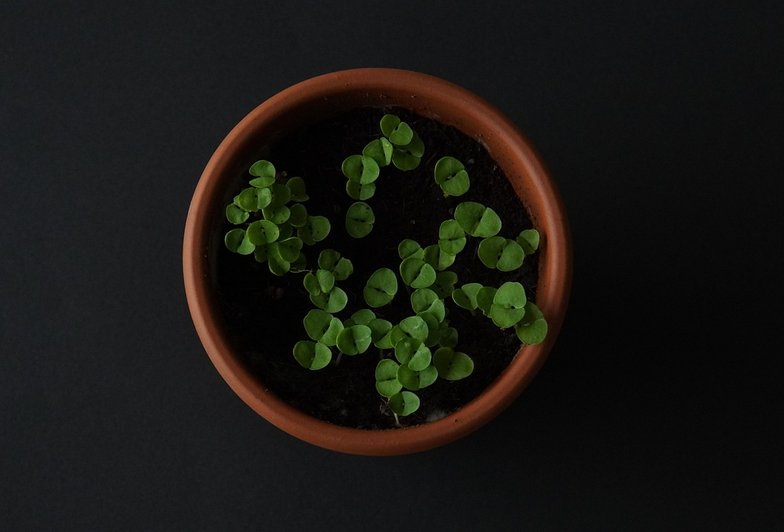
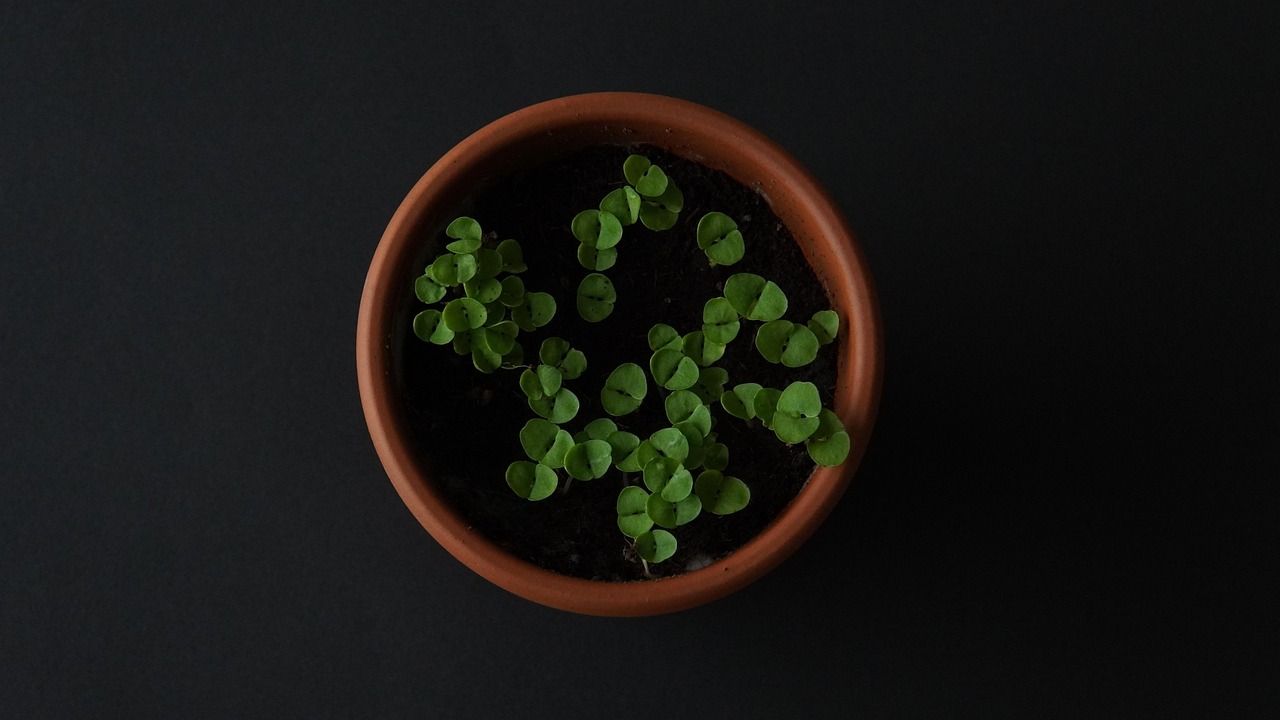
The first thing you notice when you switch to clay is how differently water behaves. In a plastic cell tray, moisture sits where it lands. In an unglazed clay pot, water moves through the walls and evaporates from the sides, which means the soil dries more evenly and you are less likely to end up with a soggy pocket at the bottom that rots the roots. This is not a magic trick. It is just physics. But it matters when you are trying to coax a fragile little basil seedling through its first two weeks.
The second thing you notice is temperature. Clay has thermal mass. A pot that sat in the morning sun will still feel faintly warm at dusk, and that gentle warmth encourages germination and early root growth. I have started tomatoes in both plastic and clay, and the clay ones always seem to hit the ground running once they are transplanted out. Maybe it is the warmth. Maybe it is the fact that I fuss over them more because the pots are prettier. Either way, I am not going back.
Making Pots That Actually Work for Seedlings
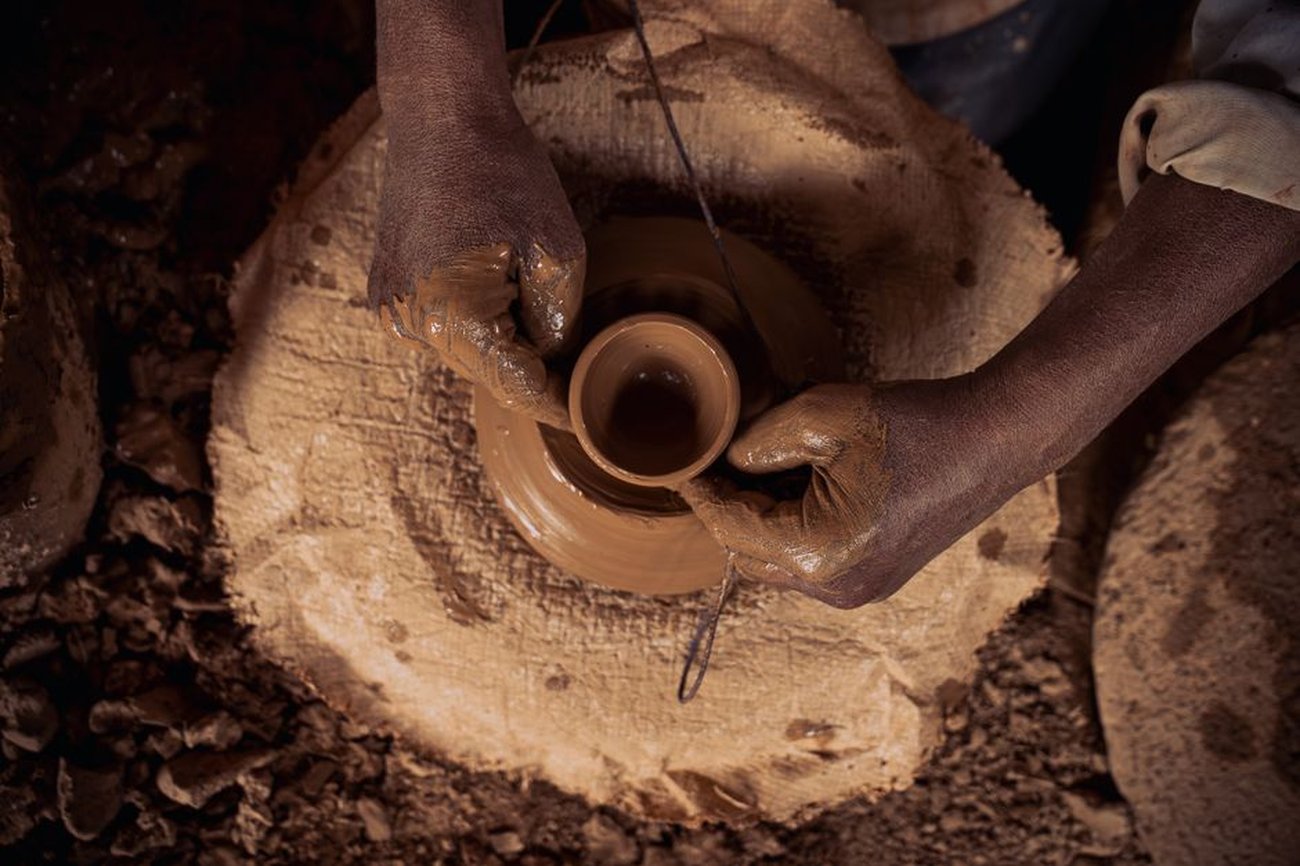
If you throw your own pots, there are a few things worth keeping in mind if you want them to earn their keep in the garden. First, keep the walls relatively thin. A thick, chunky pot looks great on a shelf but takes forever to dry out, and seedlings do not like sitting in wet feet. Aim for walls that are about the thickness of a pencil, maybe a little less.
Second, think about drainage. I poke a single finger-sized hole in the bottom of every seed pot while the clay is still soft. Some potters use a proper hole cutter, but honestly, a finger works fine and leaves a nice organic rim. If you are making a batch, do this before the clay stiffens, otherwise you will be fighting the form and possibly cracking it.
Third, do not glaze the inside. Unglazed interiors let the clay do its moisture-wicking job. You can glaze the outside if you want a bit of color on the bench, but leave the inside raw. I usually leave the whole pot raw and just enjoy the way the terracotta darkens as it absorbs water. It is a small thing, but it makes the pots feel alive.
Finally, do not be precious about them. Seed pots are tools. They will get stained, chipped, and occasionally cracked when you are wrestling a root-bound tomato out of them in June. That is fine. A pot with a history is a better pot. The ones I have used for five seasons have a patina that no glaze could imitate, and every mark reminds me of a particular spring, a particular crop, a particular morning when I was standing at the bench with dirt under my nails and nowhere else to be.
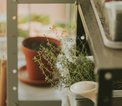
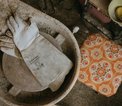
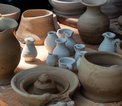
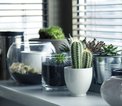
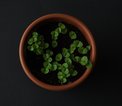
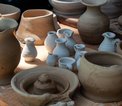
There is a quiet rhythm to raising seedlings in handmade clay pots, and it starts long before the first sprout appears.
If you have never touched clay before, a pinch pot herb planter is the gentlest possible introduction to the craft.
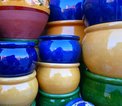
Your garden already has a color story, and your pottery can either echo it or push against it in interesting ways.
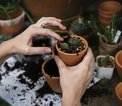
Moving a plant into a handmade pot is an act of trust, and a little preparation goes a long way.
You do not need a dedicated room to make pottery, just a corner of the garden, a bit of shelter, and a willingness to get muddy.