
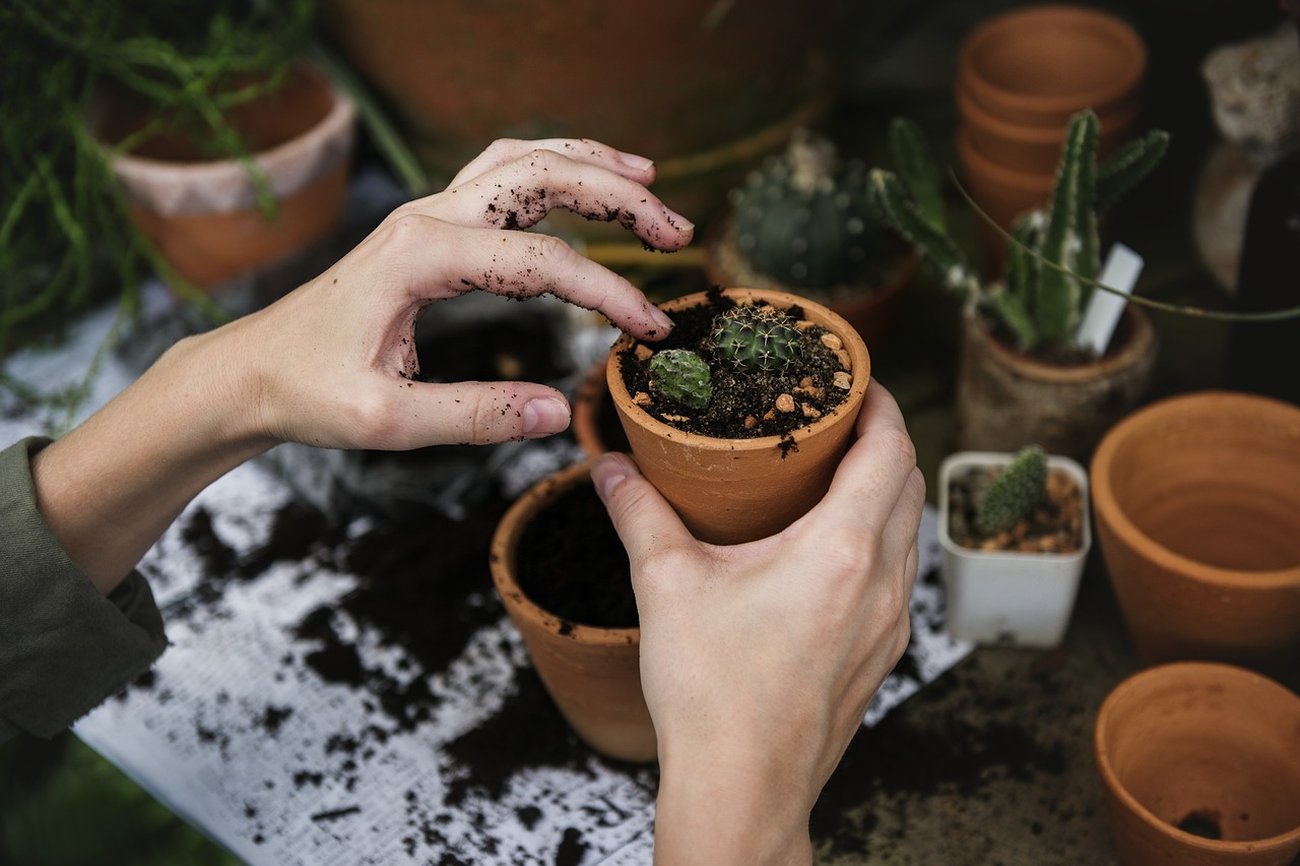

Designing a Pottery Corner in a Small Garden
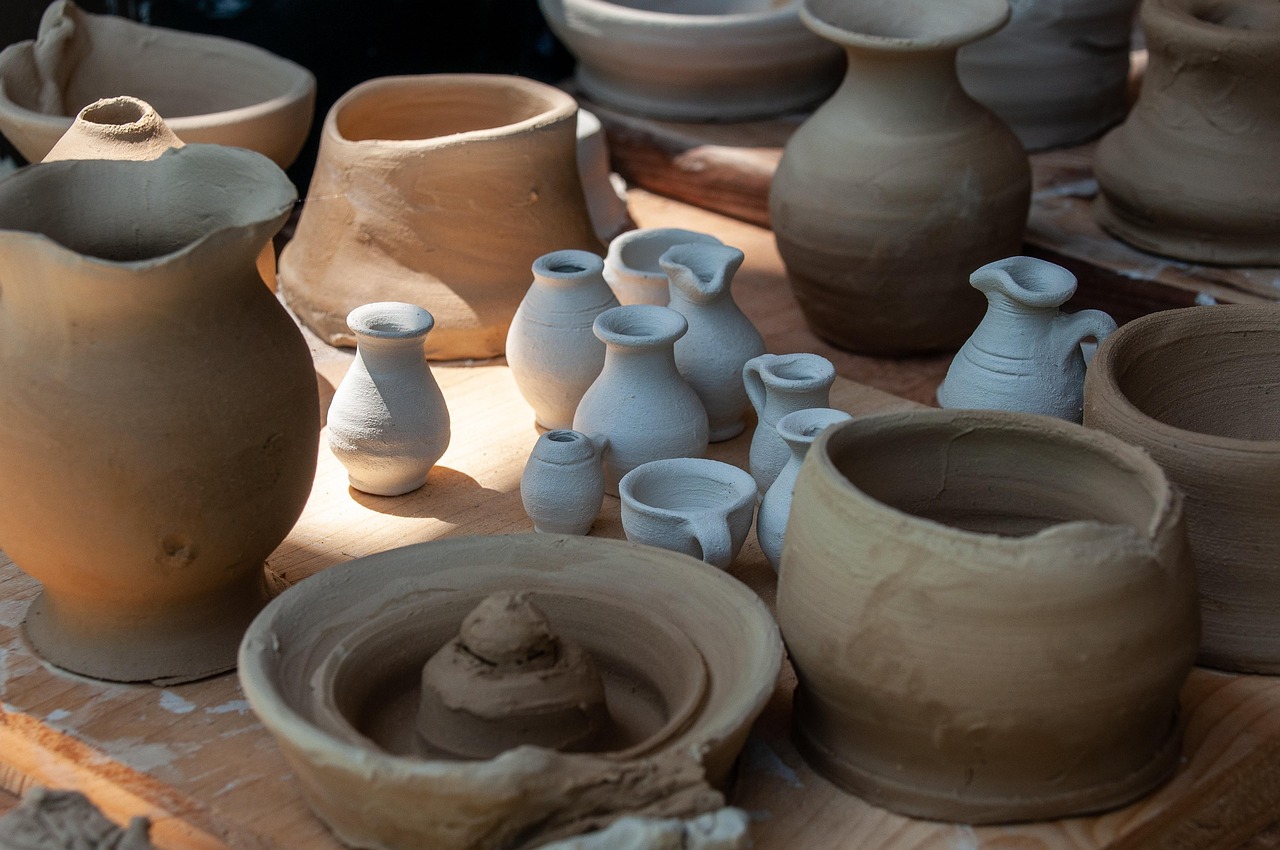
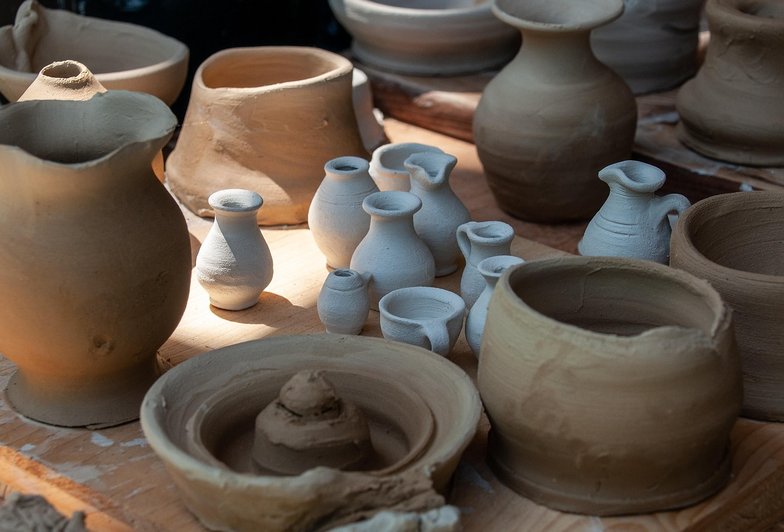
Pottery and gardening share more than dirty hands. Both ask you to pay attention to materials, weather, and time. If you have been making pots indoors and dreaming of a dedicated space, a small garden corner can work surprisingly well. The key is to think about what you actually need rather than what a glossy studio tour suggests. Most potters need a sturdy surface, water access, storage for tools and clay, and protection from rain and direct sun.
A potting bench that doubles as a wedging table is a good starting point. Look for something with a lip or edge to keep clay from rolling off, and consider adding a sheet of canvas or plaster board on top. Plaster absorbs moisture from clay and makes wedging easier. If your bench is wooden, seal it, because constant moisture will warp and rot untreated timber.
Shelter, Light, and Water
An overhang, a pergola, or even a simple lean-to can protect your workspace from rain while letting in enough light to work. North-facing shade is better than full afternoon sun, which dries clay too quickly and makes it uncomfortable to sit outside. If you throw on a wheel, you will want a level surface and a way to manage slip and water. A bucket system with two or three containers for clean water, dirty water, and slip works well, and it keeps clay out of your garden beds.
Water access matters more than most beginners expect. A nearby tap or a large water butt saves countless trips. If you plan to recycle clay, keep a dedicated bin for scraps and a separate one for slaking. Never pour clay slip down a drain, because it will set like concrete and clog pipes. In a garden setting, you can often let slip dry in a shallow tray and reclaim the clay later.
Storage and Weatherproofing
Clay and tools need to be stored where they will not freeze, overheat, or get soaked. A weatherproof cabinet or a lidded plastic storage box works well. Tools rust quickly outdoors, so wipe them down and store them with a little oil. If you fire your work, you will need to transport it to a kiln, so keep pots and greenware in crates that stack easily and protect edges.
The best part of an outdoor pottery corner is that it keeps you close to the garden while you work. You can watch the light change, notice how the soil smells after rain, and let the plants around you influence the shapes and colors you choose. A small space, well organized, is more useful than a large one that is chaotic. Start with the essentials, add as you go, and let the corner grow alongside your skills.





You do not need a studio to make pottery outdoors; a thoughtful corner of the garden can become a workspace that inspires everything you make.
Terracotta is beautiful and breathable, but it cracks in freezing weather if you do not take a few simple precautions before winter arrives.
There is a quiet rhythm to raising seedlings in handmade clay pots, and it starts long before the first sprout appears.
If you have never touched clay before, a pinch pot herb planter is the gentlest possible introduction to the craft.
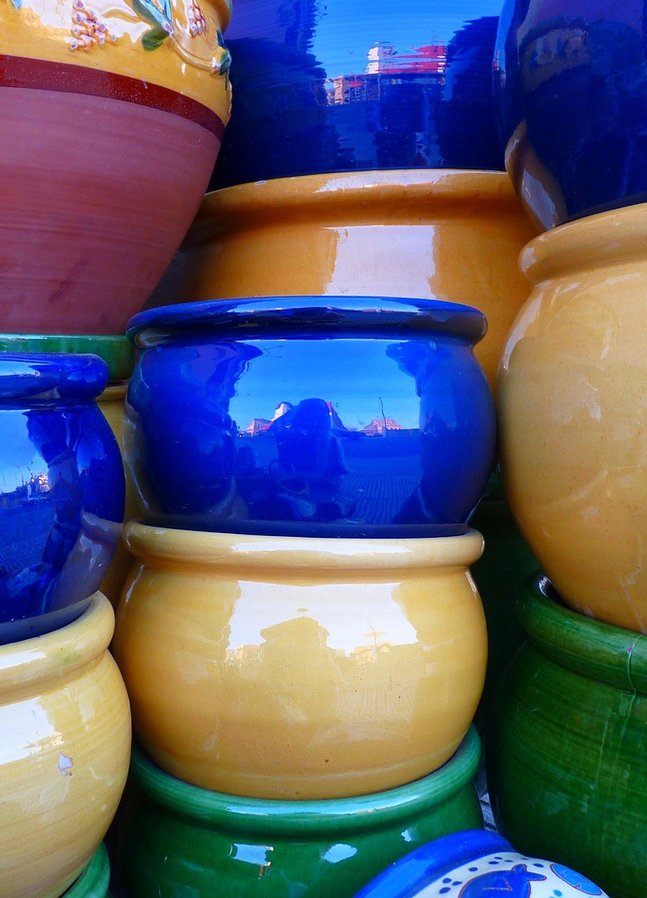
Your garden already has a color story, and your pottery can either echo it or push against it in interesting ways.