



Building a Simple Outdoor Pottery Studio in Your Garden
When I first started making pottery, I worked on a folding table in the corner of a rented flat. The clay dust got into everything. The wheel was a borrowed one that wobbled. I dreamed of a proper studio, but I did not have the space or the budget. What I did have was a small garden with a shed that leaked and a patio that was mostly weeds. So I built a studio outside, and it turned out to be the best decision I made.
An outdoor pottery studio is not the same as an indoor one. You have to work with the weather, the light, and the wildlife. But it is also cheaper, more flexible, and honestly more pleasant on a mild day. If you have a corner of a garden and a bit of patience, you can make it work.
Shelter, Power, and the Basics
The first thing you need is shelter. Clay and rain do not mix. A covered porch, a carport, a lean-to against a wall, or a simple shed with a good roof all work. The shelter does not need to be fancy. It needs to keep the rain off your clay and your tools, and it needs to be tall enough that you can stand up and move around. If you are throwing on a wheel, you also need enough space to sit comfortably and not knock your elbows into a wall.
Power is the next consideration. If you are using an electric wheel, you need an outlet. If you are working by hand, you can get away with no power at all, which opens up more options. A small solar panel and a battery can run a light and charge a phone, which is often all you need. For lighting, I use a rechargeable LED work light that I hang from a hook. It is bright enough to see what I am doing and does not require any wiring.
Water is the third piece. You need it for wedging, for throwing, for cleaning up. A garden hose with a spray nozzle works fine. I keep a couple of buckets under the bench: one for clean water, one for clay-filled water that I let settle and then reuse. Never pour clay water down a drain. It will clog the pipes. Dump it in a corner of the garden, where the clay will settle out and the water will soak in.
Storage is the last thing to sort out. Clay needs to stay damp, so keep it in a sealed bin or a plastic bag. Tools can live in a bucket or a toolbox. Greenware, which is unfired clay, needs to dry slowly and evenly, so a shelf in the shade with a loose cover is ideal. Do not put greenware in direct sun or in a draft. It will crack.
Working with the Weather and the Wildlife
Outdoor studios come with their own set of challenges. Wind will dry your pots too fast and blow dust everywhere. Rain will turn your clay back into mud. Sun will bake your greenware and cause it to crack. The solution is to work with the weather rather than against it. Throw in the morning when it is cool and the air is still. Cover your work when you are not using it. Keep a tarp handy for sudden showers. In the heat of summer, work in the shade and mist your greenware to slow the drying.
Wildlife is another factor. Birds will investigate anything shiny. Squirrels will dig in your clay bucket. Cats will sleep on your wedging board. I have learned to cover everything and to accept that a certain amount of chaos is part of the deal. A pot with a small paw print in it is not ruined. It is just honest.
The best part of an outdoor studio is that you are never far from the garden. When you need a break from the wheel, you can step outside, pull a few weeds, and come back with fresh eyes. The two crafts feed each other. You make pots for the garden, and the garden gives you a reason to keep making them.
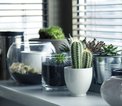

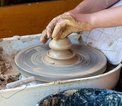




You do not need a dedicated room to make pottery, just a corner of the garden, a bit of shelter, and a willingness to get muddy.
Learn what to expect when you sit down at the potter's wheel for the first time, from centering the clay to pulling your first wobbly but wonderful walls.
Terracotta and stoneware pots do more for your herb garden than look pretty on a windowsill, and here is why clay is worth the investment.
Wood ash and plant ash have been used in glazes for centuries, and your own garden can supply the raw material for surprising, beautiful surfaces.
You do not need a studio to make pottery outdoors; a thoughtful corner of the garden can become a workspace that inspires everything you make.