
Growing Herbs in Handmade Pots: Why Clay Makes a Difference
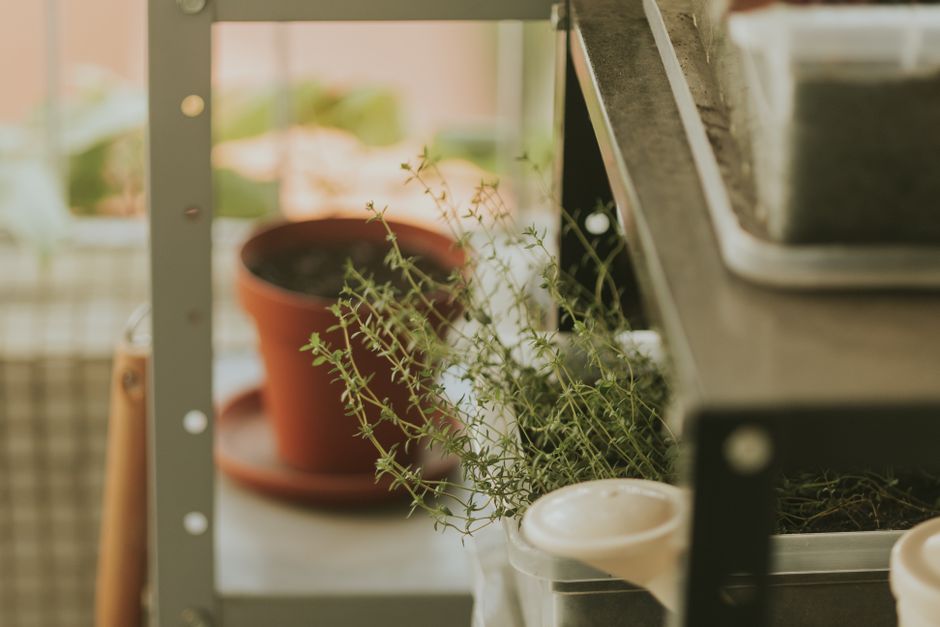
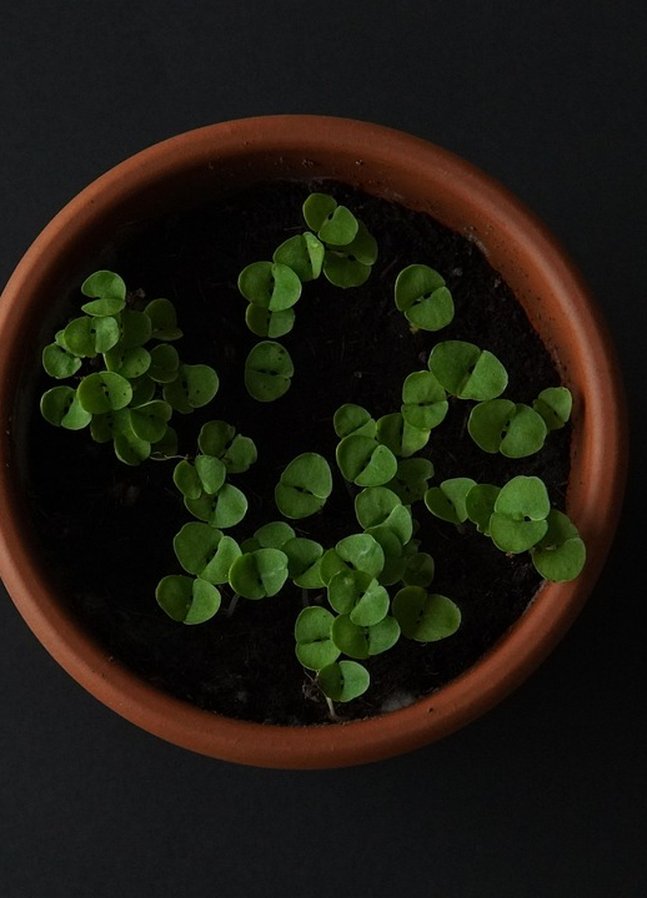
Anyone who has grown basil in a plastic nursery pot knows the disappointment of a plant that sulks, yellows, and gives up by midsummer. Herbs are not difficult, but they are particular about their roots. They want drainage, airflow, and soil that does not stay soggy. This is where clay pots earn their reputation. Unglazed terracotta is porous, which means it breathes. Water can evaporate through the walls, oxygen reaches the root zone, and the risk of root rot drops significantly.
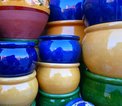
Glazed stoneware behaves differently. It holds moisture longer, which can be helpful for thirsty plants like mint, but it also means you need to be more careful about overwatering. The choice between terracotta and glazed pottery is really a choice about how much moisture your herb wants and how often you are willing to water.
Matching Pots to Plants
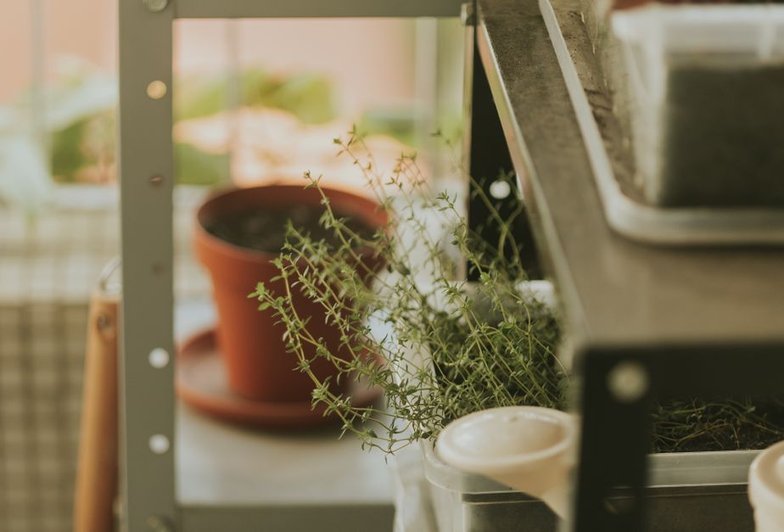
Rosemary, thyme, oregano, and lavender come from Mediterranean hillsides where the soil is gritty and dries out fast. They thrive in unglazed terracotta, especially in pots that are slightly wider than they are tall. Basil and parsley prefer consistent moisture, so a glazed pot with a good drainage hole works well, provided you do not let the saucer fill with standing water. Mint is a thug in the garden and will spread aggressively, so keeping it in its own pot is not just a design choice; it is a survival strategy for your other plants.
Size matters more than most people expect. A pot that is too small dries out within hours on a sunny day, and a pot that is too large holds water around roots that cannot use it yet. A good rule of thumb is to choose a pot roughly one-third the expected height of the mature plant. For a bush basil that reaches about eighteen inches, a six to eight inch pot is reasonable.
Soil, Drainage, and the Little Details
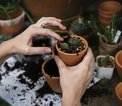
Use a potting mix designed for containers rather than garden soil, which compacts in pots and suffocates roots. Mixing in a handful of perlite or coarse sand improves drainage further, especially for Mediterranean herbs. Always check that your pot has a drainage hole. If you fell in love with a holeless pot at a market, you can still use it as a cachepot, keeping the plant in a smaller nursery pot inside and emptying the outer pot after watering.
Water when the top inch of soil feels dry, not on a fixed schedule. Clay pots lose moisture faster than plastic, so you may need to water every day or two in peak summer. Grouping pots together can slow evaporation slightly and create a microclimate that benefits everyone. Rotate your pots every week or so, since herbs lean toward the light and will grow lopsided if left in one position. With the right pot and a bit of attention, a windowsill of thyme, basil, and mint can keep producing from spring well into autumn.
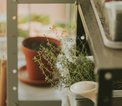
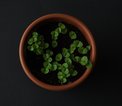
Terracotta and stoneware pots do more for your herb garden than look pretty on a windowsill, and here is why clay is worth the investment.
Wood ash and plant ash have been used in glazes for centuries, and your own garden can supply the raw material for surprising, beautiful surfaces.
You do not need a studio to make pottery outdoors; a thoughtful corner of the garden can become a workspace that inspires everything you make.
Terracotta is beautiful and breathable, but it cracks in freezing weather if you do not take a few simple precautions before winter arrives.
There is a quiet rhythm to raising seedlings in handmade clay pots, and it starts long before the first sprout appears.