
From Garden to Glaze: Using Plant Ash in Your Pottery
Ash glazes are some of the oldest glazes in the world, and they are also some of the most unpredictable. Long before commercial frits and oxides were available, potters realized that the ash left after burning wood or plants would melt into a glassy surface on fired clay. The results ranged from glossy amber to matte green, depending on the plant, the soil it grew in, and the temperature of the kiln. That variability is exactly what makes ash glazing interesting, and also what makes it frustrating.
You do not need a wood-fired kiln to experiment with ash. You can collect ash from a fireplace, a charcoal grill, or even a burn pile of dried garden prunings. Different plants give different colors. Ash from hardwood tends to produce warm browns and ambers. Ash from seaweed or plants grown in coastal soil can introduce sodium, which fluxes strongly and can create runs. Ash from plants grown in iron-rich soil may push toward green or teal in reduction, or brown in oxidation.
Preparing and Testing Ash
Raw ash needs to be sieved to remove charcoal chunks and unburned material. Many potters wash their ash first, stirring it in water and letting the soluble salts dissolve, then pouring off the water and drying the remaining ash. Washing reduces the risk of glaze defects and makes the results more consistent, though it also washes away some of the character that makes ash glazes appealing. There is no single correct method. The important thing is to test.
A simple ash glaze recipe might combine around thirty to fifty percent ash with feldspar, silica, and a small amount of clay to keep the glaze in suspension. Because ash varies so much, you should always test on small tiles before committing a whole kiln load. Label each test with the ash source and the firing temperature. Over time, you build a record that tells you which ash from which part of your garden produces which surface.
Why the Unpredictability Is the Point
Commercial glazes are reliable, and there is nothing wrong with that. But ash glazes carry a story. The wood that heated your home, the prunings from the rosemary bush that got too leggy, the dried stems of last year's sunflowers, all of it can become part of a finished pot. Each firing is a small experiment, and even failures teach you something about chemistry, heat, and the materials around you.
If you are new to glazing, start by using ash as a small addition to a base glaze you already trust, maybe ten to twenty percent. Keep notes. Photograph your results. Share them with other potters, because ash glazing has always been a communal knowledge, passed between people willing to trade a bucket of ash for a recipe that worked. Your garden is not just a source of food and flowers. It is a supply of glaze materials waiting to be burned, sieved, and tested.
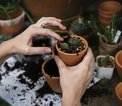
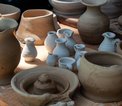
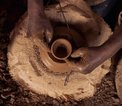
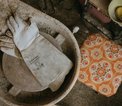
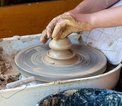
Wood ash and plant ash have been used in glazes for centuries, and your own garden can supply the raw material for surprising, beautiful surfaces.
You do not need a studio to make pottery outdoors; a thoughtful corner of the garden can become a workspace that inspires everything you make.
Terracotta is beautiful and breathable, but it cracks in freezing weather if you do not take a few simple precautions before winter arrives.
There is a quiet rhythm to raising seedlings in handmade clay pots, and it starts long before the first sprout appears.
If you have never touched clay before, a pinch pot herb planter is the gentlest possible introduction to the craft.