
Repotting Houseplants into Handmade Pots Without Killing Them
There is a particular kind of disappointment that comes from watching a plant decline in a pot you spent hours making. It happened to me with a fiddle leaf fig that I moved into a beautiful stoneware pot with no drainage hole. I knew better. I did it anyway because the pot was pretty and I was impatient. The fig lasted three weeks. The pot now holds a fake plant, which is its own kind of shame.
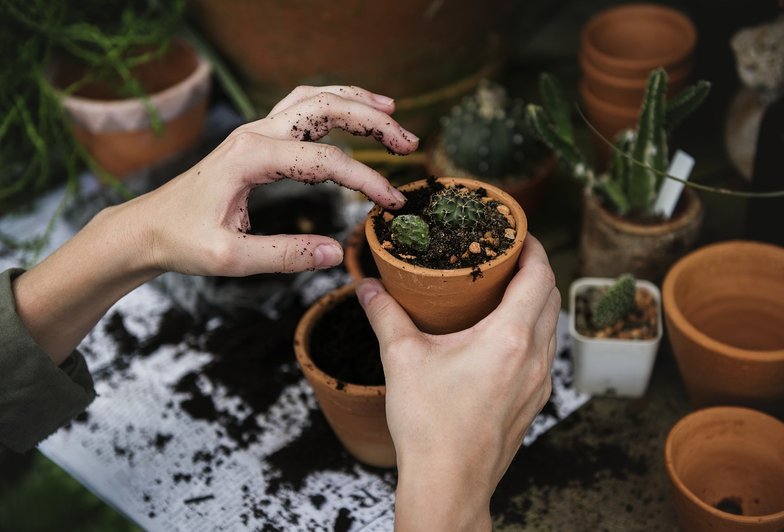
Repotting a plant into a handmade pot is not complicated, but it does require a little forethought. The pot is not just a container. It is part of the plant's environment, and if it is the wrong size, the wrong shape, or missing drainage, the plant will suffer no matter how good it looks on the shelf.
Choosing the Right Pot for the Plant
The first rule is drainage. If your pot does not have a hole, it is not a planter. It is a cachepot, which means you keep the plant in its nursery pot and drop the whole thing inside. That is a perfectly good way to use a beautiful handmade pot, and it solves the drainage problem entirely. Just remember to take the nursery pot out when you water, let it drain, and put it back. If you leave it sitting in a puddle, you are asking for root rot.
If your pot does have a drainage hole, size matters. The new pot should be only slightly larger than the root ball, maybe two to three centimeters wider in diameter. A pot that is too big holds too much soil, and that soil stays wet for too long, which is the most common way people kill houseplants. A pot that is too small will constrict the roots and dry out constantly. Aim for a snug fit.
Shape matters too. Tall, narrow pots are beautiful but they dry unevenly, with the top staying wet and the bottom staying wetter. Wide, shallow pots dry more evenly but can be top-heavy for tall plants. For most houseplants, a standard cylinder or slightly tapered pot is the easiest to manage. If you are throwing your own, keep the proportions close to what the plant already likes.
Finally, consider the material. Unglazed clay breathes, which helps prevent overwatering but also means you will water more often. Glazed pots hold moisture longer, which is good for thirsty plants but risky for succulents and cacti. Match the pot to the plant's water needs, not just to your aesthetic.
The Actual Repotting Process
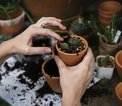
Water the plant a day or two before you repot. Moist soil holds together better and is gentler on the roots. When you are ready, turn the plant on its side, support the stem with one hand, and gently ease the pot off with the other. If it sticks, tap the sides of the pot or run a knife around the inside edge. Do not pull on the stem. If the plant is root-bound, you will see a dense mat of roots circling the root ball. Loosen them gently with your fingers, or make a few shallow vertical cuts with a clean knife if the mat is really tight.
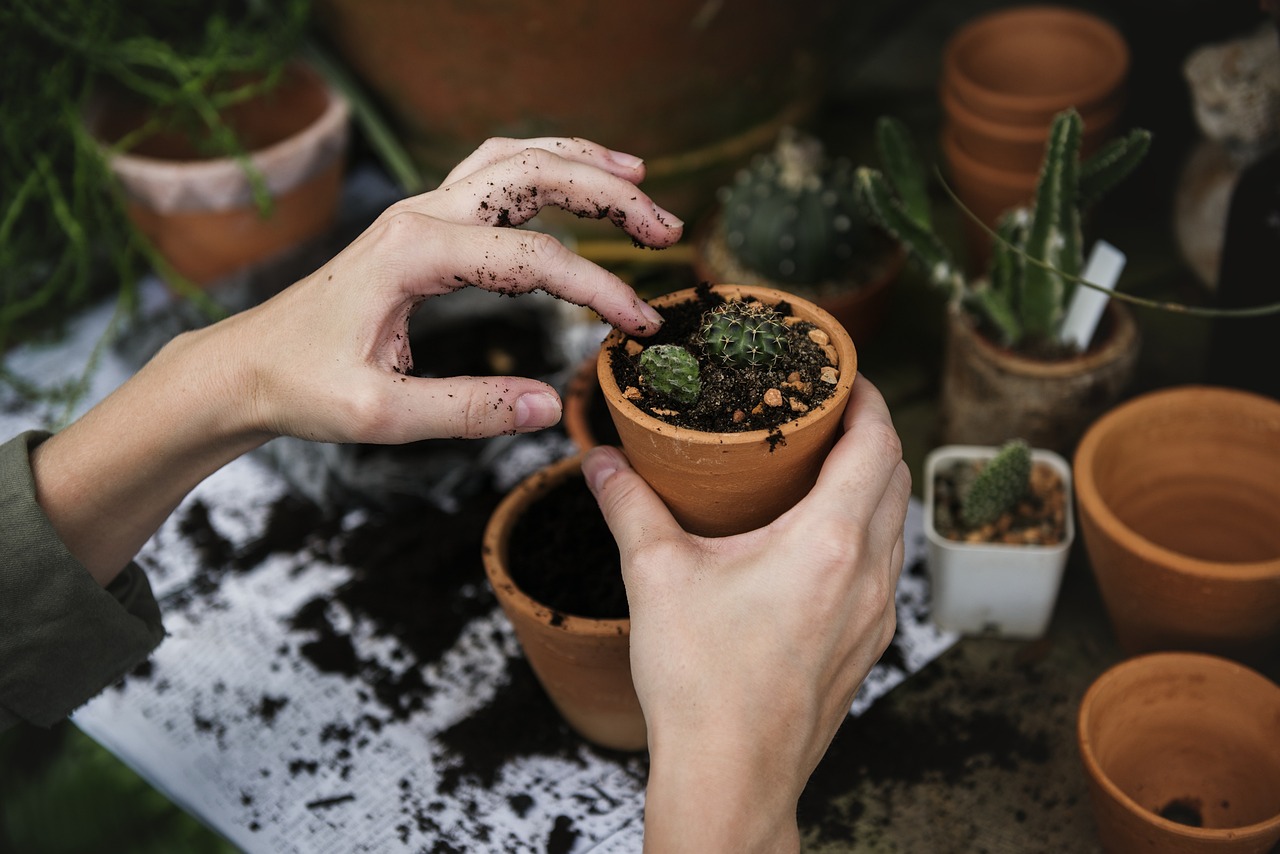
Put a small amount of fresh potting mix in the bottom of the new pot, then set the plant in and fill around the sides, pressing gently to remove air pockets. Leave about two centimeters of space between the soil surface and the rim so you can water without overflowing. Water thoroughly, let it drain, and then leave the plant alone for a week or so to adjust. Do not fertilize right away. The roots need time to settle before they can handle a nutrient boost.
If the plant sulks for a few days, do not panic. Some plants droop after repotting and then bounce back. Give it bright, indirect light, keep the soil lightly moist but not wet, and wait. The pot you made will still be there, and so, with any luck, will the plant.
Moving a plant into a handmade pot is an act of trust, and a little preparation goes a long way.
You do not need a dedicated room to make pottery, just a corner of the garden, a bit of shelter, and a willingness to get muddy.
Learn what to expect when you sit down at the potter's wheel for the first time, from centering the clay to pulling your first wobbly but wonderful walls.
Terracotta and stoneware pots do more for your herb garden than look pretty on a windowsill, and here is why clay is worth the investment.
Wood ash and plant ash have been used in glazes for centuries, and your own garden can supply the raw material for surprising, beautiful surfaces.